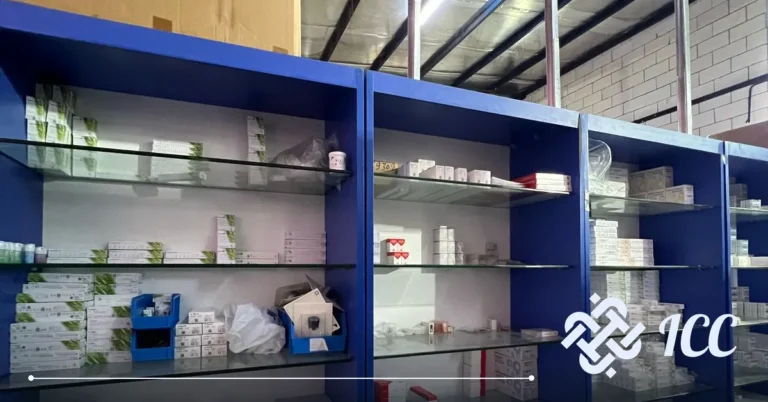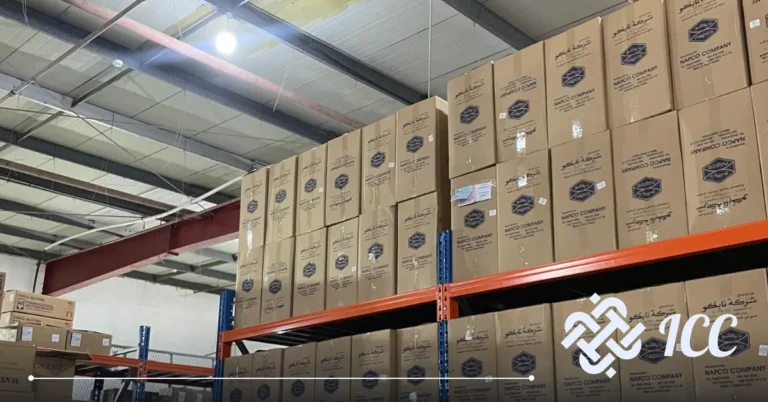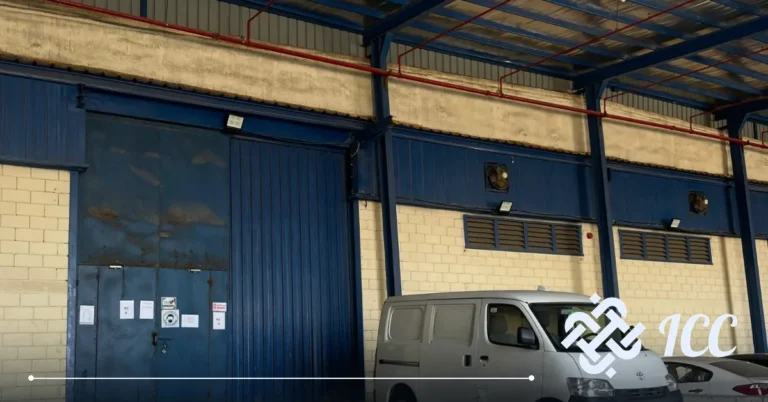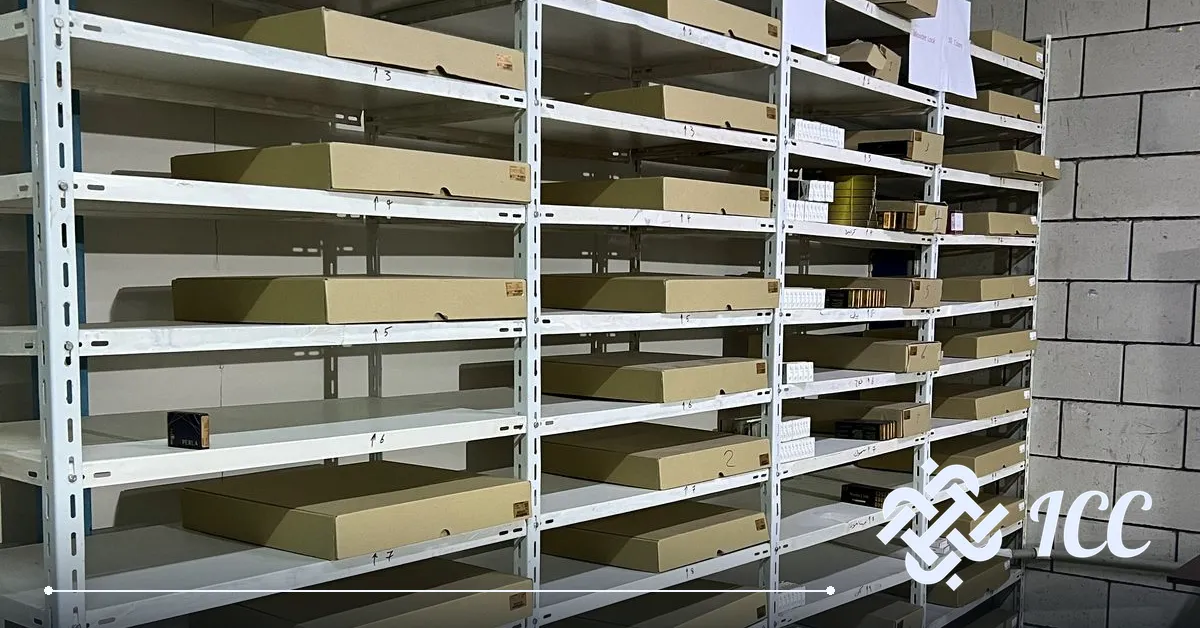
The Saudi Food and Drug Authority (SFDA) imposes strict standards for storing medical devices and supplies, ranging from providing adequate space to implementing precise electronic systems for monitoring temperature and humidity, thereby ensuring product safety.
Therefore, choosing medical device warehouses licensed by the SFDA is the logical choice for storing and distributing medical devices and supplies. But how do you choose the best medical equipment warehouses?
What Are Medical Warehouses?
Medical warehouses are centers for efficiently storing and distributing medical and pharmaceutical supplies, ensuring that medical products are available wherever and whenever they are needed, and supporting the healthcare industry’s ability to provide timely care, whether in relation to:
Medical Devices
Medical devices, from simple tools to complex machines, require secure storage facilities to protect them from damage and theft.
Reverse logistics storage solutions for these devices include specialized storage systems that ensure their availability to hospitals and healthcare providers on demand.
Medical Supplies
The storage and distribution of medical supplies, such as syringes, bandages, and diagnostic kits, also require compliance with quality standards and regulatory requirements.
Specialized storage in medical supply warehouses is a fundamental pillar of ensuring the safe and efficient storage and distribution of medical supplies.
Medications
Medical warehouses are also responsible for storing medications and meeting strict environmental controls to preserve their effectiveness. This includes maintaining specific temperature and humidity levels to reduce potential risks associated with improper storage.

Storage Requirements for Medical Devices and Supplies
The Saudi Food and Drug Authority’s requirements regarding medical device storage facilities include the following:
- The space must be designed or suitable for the purpose of storing medical devices.
- It must be equipped with electronic temperature and humidity control systems.
- Measuring instruments must be available to monitor changes and adjust values in accordance with the manufacturer’s instructions. These instruments must:
- Be capable of being connected to and read by specialized electronic systems.
- Be installed in different locations and at different heights according to temperature mapping results.
- Be subject to regular calibration and monitoring.
- The SFDA must be notified if the design or storage area is modified.
- Provide adequate lighting to ensure clear visibility of information on medical devices and supplies.
- Provide adequate ventilation, as well as all personal protective equipment (such as protective clothing and gloves).
- Provide appropriate equipment for handling and moving items within the storage area, when necessary.
- Ensure that surfaces and shelves are made of or covered with non-porous materials to enable proper and safe cleaning.
- Provide a separate area for storing damaged, expired, or rejected materials.
- Designate a clearly marked area for counterfeit or recalled medical devices, where they can be monitored until a final decision is made regarding their disposition.
- If any medical devices require refrigeration in a refrigerator or freezer in accordance with the manufacturer’s instructions, an emergency plan, backup power supply, or automatically operating generator must be arranged in case of a power outage.
Temperature, Humidity, and Environmental Monitoring
Temperature control is essential in medical device warehouses, as precise temperature management ensures the preservation of sensitive products.
Warehouses also use advanced cooling systems and real-time monitoring of temperature fluctuations to prevent product deterioration and ensure product effectiveness upon delivery.
Segregation, Traceability, and Inventory Control
Precise medical inventory management is also essential in medical warehouses. Advanced warehouse management systems must be in place to ensure real-time tracking, automatic data collection, easier inventory control, and fewer errors.
Inventory management systems also ensure that supplies are stored properly and remain easily accessible, facilitating rapid distribution while ensuring that older stock is used before newer stock.
Receiving, Storage, and Distribution Procedures
Medical devices also require precise receiving procedures once they have been packed into appropriate containers and correctly labeled in accordance with regulations.
Employees must be equipped to handle a wide range of medical products that require specific handling and storage conditions. Therefore, having staff trained in these protocols is essential in medical warehouses.
The vehicle used to transport medical devices must also be equipped with electronic temperature and humidity measurement systems to monitor changes and adjust values in accordance with the manufacturer’s instructions.
Medical Device Storage vs. General Warehousing
Medical warehouses differ from general warehouses in that medical warehouses require a license from the SFDA and must meet the requirements for storing medical devices and supplies. These include temperature and humidity control systems and adequate space for storing medical devices to ensure their safety until actual delivery.
General warehouses, on the other hand, do not require a license from the SFDA and are not used for storing and distributing medical devices and supplies.
How to Choose a Medical Device Warehouse?
When choosing a warehouse for medical devices and supplies, several factors should be considered, including:
- Regulatory Compliance: The medical warehouse must be licensed by the SFDA and comply with all its regulatory standards. This ensures that appropriate conditions are provided for storing medical devices and supplies, including suitable temperature and humidity levels, to prevent any contamination or damage to products.
- Security Measures: Security features are also essential. Medical warehouses must be equipped with video surveillance systems operating 24 hours a day, seven days a week, to protect medical supplies from theft and maintain their safety.
- Temperature and Humidity Control Systems: The medical warehouse must also provide electronic temperature and humidity control systems, with changes monitored and values adjusted in accordance with the manufacturer’s instructions.
- Inventory Management: Advanced inventory management systems must also be available for real-time tracking and automatic collection of product data, enabling effective inventory control and recall management.
- Trained Personnel: It is essential to ensure that the warehouse is staffed by trained employees who understand the handling and storage requirements of various medical products, particularly hazardous materials and medical devices.
- Flexible Storage Solutions: It is important for the warehouse to offer flexible storage options that meet the unique needs of different healthcare providers, ranging from large hospitals to small clinics.
Why Choose ICC Medical Device Warehouses?
ICC medical warehouses provide flexible storage solutions tailored to your business needs, ranging from one square meter to more than 1,000 square meters, or on a monthly pallet basis.
ICC medical device warehouses are also licensed by the SFDA and have extensive experience in storing medical devices and supplies. They adhere to the highest safety and quality standards and additionally provide:
- Comprehensive temperature and humidity control systems to ensure product safety.
- Accurate electronic inventory management.
- Air conditioning systems configured to maintain temperatures suitable for the products.
- Advanced security and surveillance systems.
Frequently Asked Questions
Do Medical Devices Need to Be Stored in a Licensed Warehouse?
Yes, medical devices and supplies must be stored in a warehouse licensed by the SFDA because the authority establishes specific standards for storing these types of products. A licensed warehouse indicates that the required standards for safe storage have been met.
Do All Medical Supplies Require Temperature-controlled Storage?
Most medical supplies need to be stored at a specific temperature. Medical supplies warehouses should maintain the appropriate temperature and humidity conditions according to the type of product and its storage requirements.
Can Businesses Rent Only Part of A Medical Device Warehouse?
Yes, at ICC, we provide flexible storage solutions based on space requirements or in enclosed rooms, tailored precisely to your needs.