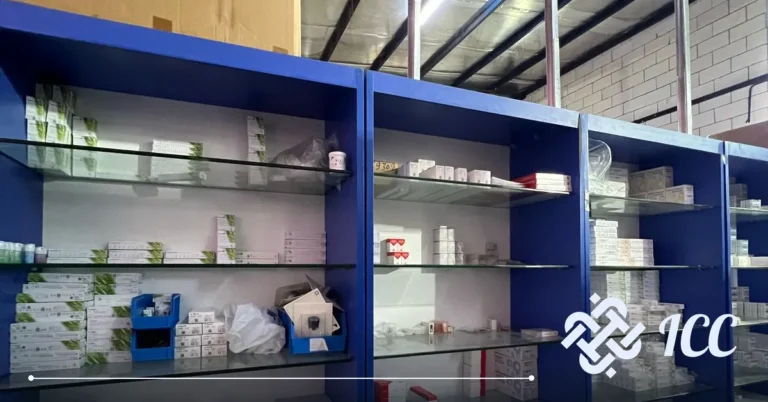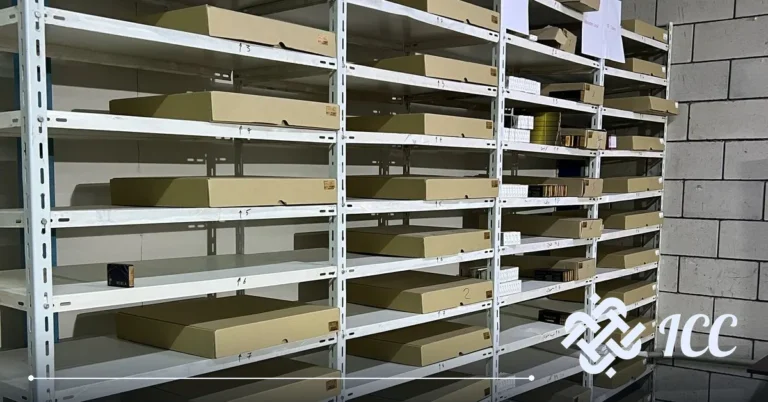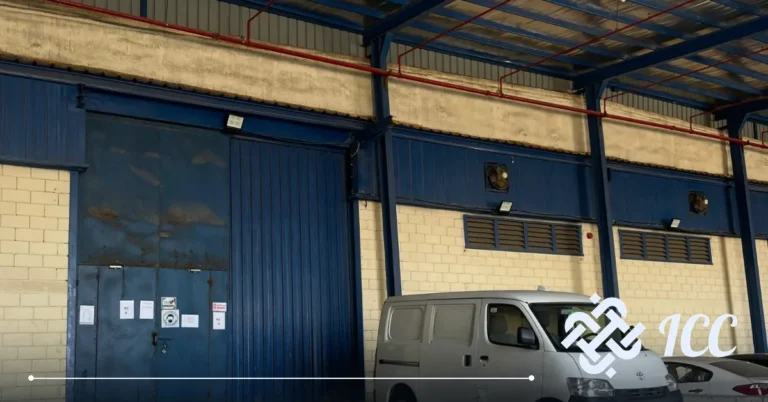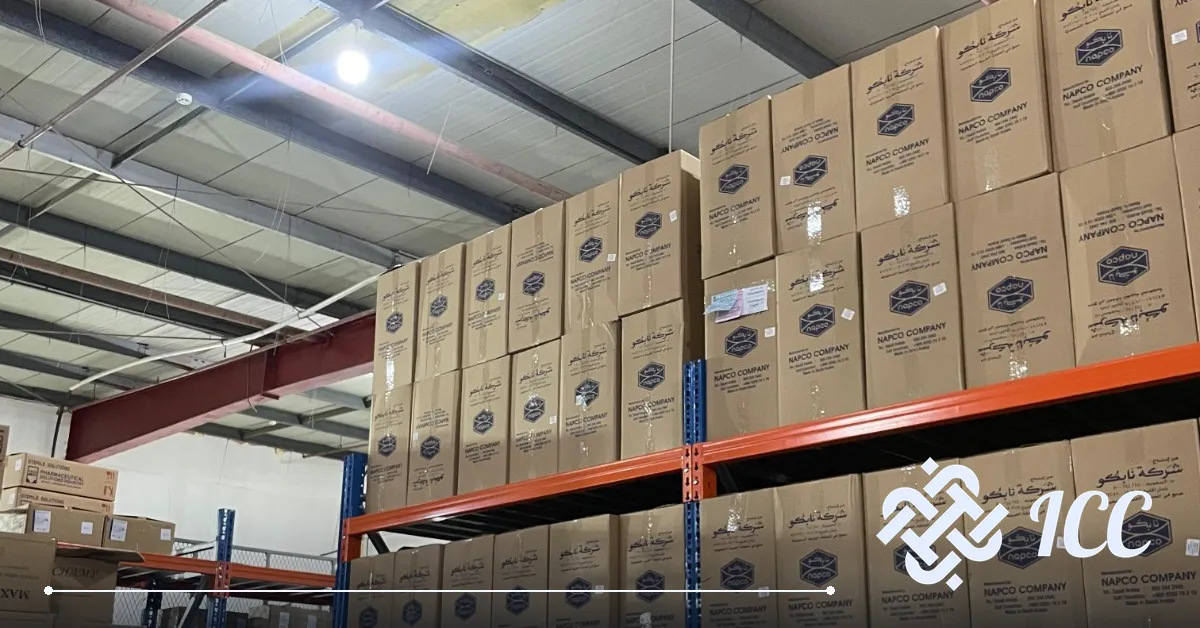
The Saudi Food and Drug Authority (SFDA) imposes strict standards for storing food products, pharmaceutical preparations, and medical devices, as these products require specific storage conditions to ensure their safety and suitability for use.
Therefore, you may need to work with warehouses licensed by the food and drug authority to store your products. But how do you choose a warehouse that complies with the Authority’s requirements?
What Is an SFDA-Licensed Warehouse?
A warehouse licensed by the SFDA is a storage facility, food establishment, or distribution center registered with the Authority to store food, medicines, and other goods regulated by the Authority.
The Authority has the power to inspect regulated facilities to verify their compliance with applicable good manufacturing practice regulations and ensure product safety.
Which Products Need Specialized Licensed Storage?
The most common types of products that require licensing by the SFDA include medical devices, pharmaceutical products, and food products (food and dietary supplements).
Product categories that fall under the Authority’s regulatory jurisdiction include:
- Packaged foods, such as dietary supplements, food additives, infant formula, and other products.
- Cosmetics, such as personal care products, skin moisturizers, nail polish, and perfumes.
- Medical devices, such as dental equipment, surgical implants, and pacemakers.

Core Facility and Compliance Requirements
For a warehouse to be licensed, certain conditions must be met, including the following:
- The warehouse must be located in an area designated for warehouses or in an industrial zone.
- The minimum site area must be 300 square meters.
- Minimum setback distances must be 6 meters at the front, 3 meters on the sides, and 2 meters at the rear.
- Height: The minimum height must be 8 meters.
- Facilities for loading and unloading trucks must be available, such as loading and unloading docks, loading and unloading bays, or designated loading and unloading areas.
The Authority also requires the following qualifications for the manager of a pharmaceutical warehouse to obtain a license:
- The manager must be a Saudi pharmacist or pharmacy technician working on a full-time basis.
- The manager must be registered with the Saudi Commission for Health Specialties.
- The warehouse must be located within a designated warehouse zone.
- The warehouse must comply with Good Distribution and Storage Practices (GDP).
The Authority also requires the following for licensing food warehouses:
- A municipal license issued by the Ministry of Municipalities and Housing, specifying the storage activities.
- An operating license if the warehouse is located within one of the industrial cities affiliated with the Saudi Authority for Industrial Cities and Technology Zones, the Economic Cities and Special Zones Authority, the Royal Commission for Jubail and Yanbu, or other government entities, depending on the authority responsible for supervising the location.
- An environmental permit issued by the National Center for Environmental Compliance, except for dry food storage activities.
Temperature and Humidity Monitoring
Temperature and humidity levels in food warehouses must also be carefully monitored. Frozen goods must be kept at -18°C or below, refrigerated foods must be stored between 0°C and 4°C, while dry foods can be stored at temperatures ranging from 10°C to 21°C, with humidity controlled.
Warehouses must also follow these practices:
- Establish routine cleaning schedules.
- Implement pest management programs.
- Separate food items from non-food items to reduce risks.
- Use impervious flooring with adequate drainage to prevent the accumulation of standing water and moisture.
- Maintain appropriate ventilation and airflow to regulate temperature and humidity and reduce mold and bacterial growth.
Inventory, Segregation, and Traceability Controls
Products must also be protected from contamination, beginning with proper segregation by storing food items completely separately from non-food items, such as pesticides and equipment parts.
The same principle applies to food products themselves. Raw foods must always be stored separately from, or below, ready-to-eat foods to prevent any contact that could cause contamination. Allergenic materials should also be kept separate.
Additional Requirements for Pharmaceutical Storage Warehouses
The SFDA also requires pharmaceutical storage warehouses to contain the following areas:
- A separate receiving and dispatch area: This area must be designed to prevent external factors from entering the storage area during receiving and dispatch operations. It must also be equipped to accommodate pharmaceutical containers and, if necessary, disinfect them before storage.
- A storage area: Products must not be stored directly on the floor.
- Enclosed and segregated areas for damaged or expired products.
- A designated area for recalled products.
- A designated area for storing free samples, if applicable.
The Authority also requires alarm systems to be installed in refrigerators and freezers used to store pharmaceutical products. These alarms must be activated when temperatures rise above or fall below the specified limits, and they should be calibrated regularly.
How to Choose an SFDA-Compliant Warehouse Provider?
A warehouse must hold a license issued by the SFDA and meet the aforementioned requirements. When choosing a warehouse that complies with the Authority’s standards, you should also consider the following factors:
- Implementation of safety standards: Maintaining a clean and safe environment is essential for warehouses licensed by the Authority. Therefore, you can review your potential partner’s pest control and cleaning procedures to ensure that they meet your needs.
- Labeling systems: Labeling is also a licensing requirement. Labels must include storage information, such as temperature requirements and expiration dates. Accurate labeling helps ensure that products comply with the Authority’s requirements.
- Temperature and humidity control: The warehouse must be equipped with the necessary devices to maintain appropriate temperature levels and protect goods from damage, while also controlling humidity.
- Trained personnel: All warehouse workers must be trained in good storage regulations and procedures and must be appropriately equipped with suitable sanitary clothing for the products they handle.
Why Choose ICC Warehouses Licensed by the Saudi Food and Drug Authority?
ICC operates warehouses licensed by the Food and drug authority (SFDA) and specializes in storing food products, cosmetics, and medical devices. It also offers flexible storage space tailored to your business needs, with capacity reaching 1,000 square meters and beyond. Our warehouses also feature:
- Temperature and humidity control to ensure the safety of your products during storage and shipping.
- Accurate electronic inventory monitoring systems.
- Efficient space organization through palletized storage, which also facilitates product handling and protects products from damage.
- Advanced security and surveillance systems.
Frequently Asked Questions
How Can I Verify Whether A Warehouse is Licensed for Regulated Products?
You can verify whether a warehouse is licensed by the SFDA by visiting the Saudi Food and Drug Authority’s official website and checking its list of licensed establishments.
Can One Licensed Warehouse Store Medical Supplies, Food, and Cosmetics?
Yes, a warehouse can store more than one category of products, provided that the storage requirements for each product type are observed and the products are segregated to prevent contamination.
Why Are Temperature and Humidity Records Important in Licensed Warehouses?
Temperature and humidity records must be maintained so they can be presented to the Authority when required and to verify that products have been stored under optimal conditions and have not been damaged. This is particularly important because food and pharmaceutical preparations are sensitive to temperature changes.