Cosmetics may deteriorate when stored at unsuitable temperatures. Appropriate storage conditions vary depending on the type of cosmetic product. For example, sunscreen is different from perfume, and perfume is different from lipstick in the proper storage conditions.
Cosmetics are also regulated by the Saudi Food and Drug Authority (SFDA). So, how do you choose the best cosmetics warehouses licensed by the Authority? And what are the storage requirements for this type of product?
What Are Cosmetics Warehouses, and Why Are They Important for Reducing Costs?
Cosmetics warehouses are specialized facilities for storing and managing health, beauty, and skincare products, as well as other cosmetic products, particularly given the cosmetics industry’s current need for an efficient supply chain.
Cosmetics warehouses also provide a competitive advantage for major manufacturers because they help reduce costs by eliminating the need to outsource services to third-party logistics providers. They also enable more accurate inventory tracking with fewer errors.
Despite the cosmetics industry’s approximately annual growth, supply chain disruptions can significantly affect your net profit. Coty Inc., a manufacturer of Covergirl cosmetics, experienced a 10% and 14% decline in sales in Europe and North America, respectively. These declines were attributed to severe supply chain disruptions in those regions.
Cosmetics warehouses also address the unique challenges associated with these products, which require careful handling, temperature control, and compliance with SFDA.

Storage Requirements for Cosmetics and Perfumes
Cosmetics require specific storage conditions to prevent deterioration, as shown in the following table:
| Product Type | Temperature | Humidity | Lighting | Special Notes |
| Creams, Lotions, and Emulsions | 15–25°C | 40–60% RH (Relative Humidity) | Dark or Diffuse | Emulsions may be stored outside this range |
| Serums with Active Ingredients (Vitamin C, Retinol, etc.) | 10 – 20°C (occasionally 2 – 8°C) | 40 – 60% RH | Dark, UV-protected | Active ingredients degrade rapidly under heat and light |
| Color Cosmetics (Lipsticks, Mascara) | 15 – 22°C | 40 – 60% RH | Diffuse | Heat can damage lipsticks |
| Powders (Blush, Eyeshadow) | 15 – 25°C | 30 – 50% RH | Soft / Dim | Relative humidity above 60% may cause caking |
| Perfumes and Fragrances | 15 – 20°C | 40 – 60% RH | Dark | Flammable; keep away from heat and direct sunlight |
| Sunscreens | 15 – 25°C | 40 – 60% RH | Dark | UV filters degrade with exposure to UV light |
Temperature and Humidity Conditions for Cosmetic Products
Cosmetic products require precise environmental conditions to maintain their quality and safety. Suitable temperatures vary depending on the nature of the product:
- Creams: Generally need to be stored at temperatures ranging from 15 – 25°C.
- Oils: Need to be stored at temperatures ranging from 10 – 20°C.
- Perfumes: Require temperatures ranging from 15 – 25°C.
Sun protection products also require additional attention, as their degradation accelerates when the ambient temperature exceeds 25°C.
Therefore, modern cosmetics warehouses use:
- Sensors strategically distributed throughout all storage areas.
- Data loggers to create continuous environmental records.
Inventory and Batch Traceability
One of the main challenges in cosmetics storage is accurately managing inventory levels while reducing labor costs. However, automated systems help minimize errors and increase efficiency with minimal human intervention.
By using barcode scanning and automation technologies, warehouses can track inventory levels and product locations in real time, allowing orders to be fulfilled more quickly and accurately.
Receiving and Distribution of Cosmetics
Efficient cosmetics warehousing operations also require precise, barcode-based workflows for handling sensitive products. Companies can verify product accuracy by:
- Scanning purchase order barcodes to verify expected shipments.
- Recording important data, including expiration dates and manufacturing dates.
- Verifying packaging integrity and compliance with temperature requirements.
Transportation is another stage that is equally important for maintaining product quality. Products should be delivered in refrigerated containers because cosmetics may deteriorate due to heat. The ideal conditions for storing and transporting cosmetics are cool, dark environments, or lighting conditions appropriate to the nature of the products.
Transporting cosmetics requires specialized handling tailored to this type of product, along with specialized packaging that provides thermal protection and packaging specifically designed to prevent breakage, unlike the packaging used for general merchandise.
Choosing a Warehouse for Cosmetics and Perfumes
When choosing a cosmetics warehouse, you should ensure that it offers several essential features, such as:
- Temperature and humidity control systems: Cosmetics warehouses must provide suitable environmental conditions for storing different types of cosmetic products, using sensors to monitor changes in temperature and humidity.
- Compliance with Saudi Food and Drug Authority regulations: The warehouse must hold a license issued by the Saudi Food and Drug Authority. This means that it complies with the Authority’s regulations and storage requirements designed to preserve the safety of stored cosmetic products.
- Lighting control: Cosmetics warehouses should also provide lighting conditions appropriate to the type of product being stored, as the lighting requirements for maintaining the safety of cosmetic products vary.
- Security systems: Products must also be protected against theft and damage to prevent companies from incurring substantial losses. Installing surveillance cameras throughout the warehouse and maintaining appropriate security systems help protect products. In addition, access restriction protocols should be implemented for sensitive warehouse areas to ensure that only authorized employees can enter these areas.
- Inventory management systems: Cosmetics require accurate inventory management through automated systems to reduce errors and labor costs while accurately tracking inventory levels.
Why Choose ICC Cosmetics Warehouses?
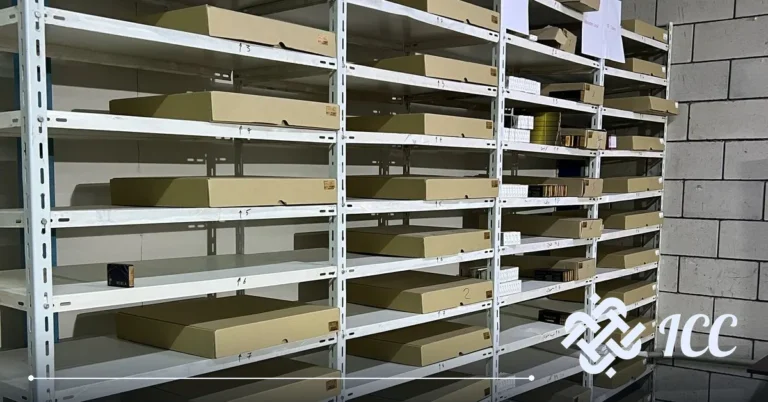
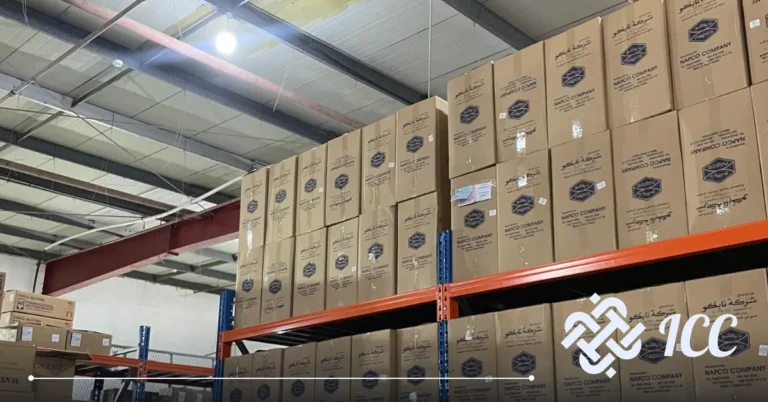
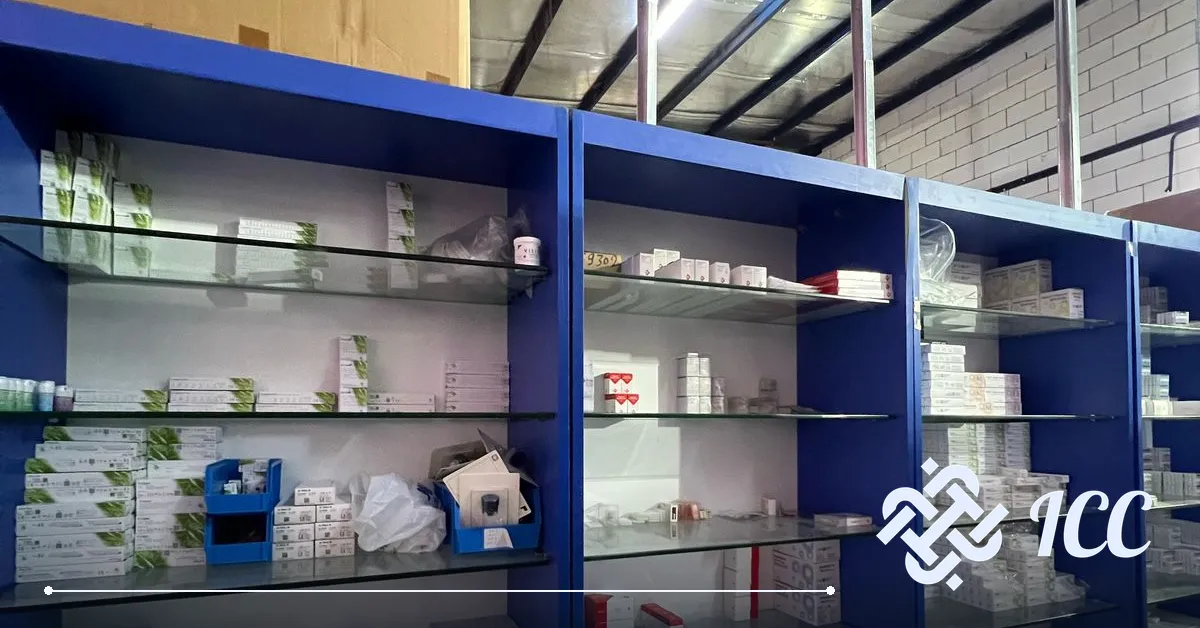
ICC operates cosmetics warehouses licensed by the Saudi Food and Drug Authority and specializes in storing cosmetic products. It also offers flexible storage space tailored to your business needs, with areas of up to 1,000 square meters and beyond, pallet storage, and even enclosed rooms. Our warehouses also feature:
- Temperature and humidity control to ensure the safety of your products during storage and shipping.
- Accurate electronic inventory monitoring systems.
- Efficient space organization through pallet storage, ensuring that products are easy to handle and protected against damage.
- Advanced security and surveillance systems.
Frequently Asked Questions
Does a Cosmetics Warehouse Need Regulatory Licensing?
Yes, cosmetics need to be stored in licensed cosmetics warehouses to comply with SFDA regulations concerning cosmetics storage and to ensure that their safety is maintained.
Can Perfumes and Cosmetics Be Stored in the Same Warehouse?
Yes, perfumes and cosmetics can be stored in the same warehouse, provided that the cosmetic or perfume warehouses offer suitable environmental conditions for both perfumes and cosmetic products, including appropriate temperature, humidity, and lighting.
How Are Temperature and Humidity Monitored in Cosmetics Warehouses?
In modern cosmetics warehouses, temperature and humidity are monitored using sensors strategically distributed throughout all storage areas, as well as data loggers that create continuous environmental records.
What Temperature Conditions Are Commonly Required for Cosmetics Storage?
Temperature conditions required for cosmetics storage vary according to the type of products, and it includes for example:
Creams: Generally need to be stored at temperatures ranging from 15 – 25°C.
Oils: Need to be stored at temperatures ranging from 10 – 20°C.
Perfumes: Require temperatures ranging from 15 – 25°C.